In an era defined by constant connectivity, the meaning of personal privacy has undergone dramatic transformation. As digital platforms, smart devices, and online services integrate into daily life, individuals share more information than ever before—often without fully realizing it. The digital age brings incredible convenience, but it also raises complex questions about how much of ourselves we reveal, who controls our data, and what privacy truly means in an interconnected world. Understanding the evolving nature of personal privacy helps people make informed decisions that protect their sense of autonomy, security, and well-being.
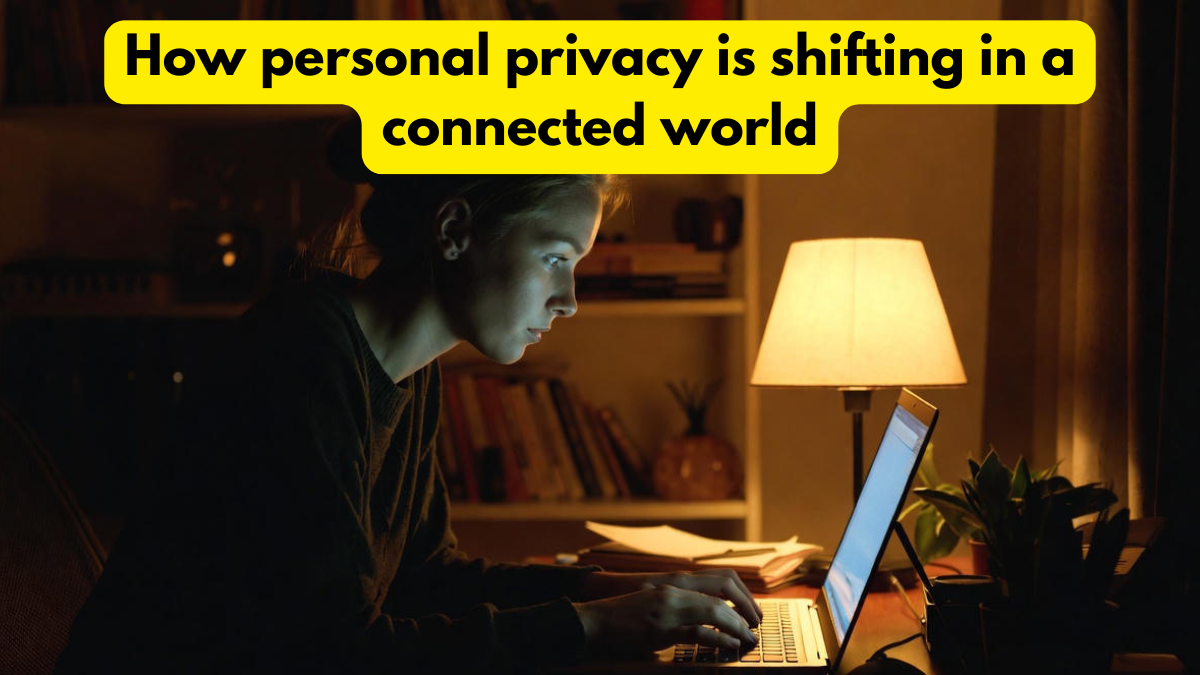
Why personal privacy feels more vulnerable today
The expansion of technology has reshaped how personal information is collected and used. Every online action—from browsing to shopping, messaging, or streaming—creates a digital footprint. As a result, personal privacy feels more vulnerable in the digital age, where data is gathered at unprecedented speed and scale. Many platforms use algorithms to track behavior, predict preferences, and tailor content, making everyday digital interactions part of a broader data ecosystem. While these features improve user experience, they also introduce risks related to data misuse, unauthorized access, and long-term digital surveillance.
At the same time, privacy expectations have shifted. People willingly share personal moments on social media, use location services for convenience, and store sensitive information in cloud systems. These habits blur the boundaries between public and private life, making it essential for individuals to understand how their information circulates.
The psychological impact of shifting privacy boundaries
The transformation of personal privacy has emotional and psychological consequences. In the digital age, many individuals experience uncertainty about how much control they truly have over their data. This tension can lead to anxiety, mistrust, or digital fatigue. When people feel watched or tracked, even passively, their behavior often changes. They may hesitate before posting, censor their thoughts, or avoid certain platforms altogether.
Conversely, some people experience “privacy resignation”—the belief that privacy no longer exists, leading them to give up on protecting it entirely. This mindset increases emotional detachment from online interactions and may result in a lack of careful decision-making. Understanding these psychological responses is crucial for developing healthier digital habits and reclaiming a balanced relationship with technology.
Comparing modern privacy challenges and their impact
The table below highlights how personal privacy concerns differ across common digital environments in the digital age:
| Digital Environment | Privacy Challenge | Impact on Personal Privacy |
|---|---|---|
| Social Media Platforms | Oversharing and algorithmic tracking | Blurred boundaries between public and private life |
| E-commerce Websites | Data collection and targeted advertising | Reduced control over purchasing information |
| Smart Devices | Constant background data collection | Continuous monitoring of daily habits |
| Mobile Apps | Excessive permission requests | Risk of unauthorized access to sensitive data |
| Cloud Storage | Remote data access and security vulnerabilities | Uncertainty about long-term data protection |
These examples show that privacy challenges are diverse and affect individuals in multiple areas of their digital lives.
How individuals can reclaim control in the digital age
Although personal privacy may feel diminished, individuals still have the ability to make meaningful changes. Understanding how data circulates is the first step. Users can review privacy settings, limit information sharing, and use tools such as VPNs or encrypted messaging to strengthen protection. These actions help restore a sense of control and reduce exposure.
Developing digital literacy is equally important. As the digital age continues to evolve, individuals must learn how platforms operate, how algorithms shape content, and how companies handle information. Awareness empowers people to make decisions aligned with their comfort level. Even simple habits—such as checking app permissions, avoiding public Wi-Fi for sensitive tasks, or using strong passwords—can provide significant protection.
Additionally, boundaries matter. Choosing what to share, and with whom, helps individuals regain confidence in their online presence. Reducing oversharing and maintaining offline moments ensures that personal identity remains grounded in more than digital activity.
The future of personal privacy in a connected world
Looking ahead, personal privacy will continue to evolve as technology advances. Innovations such as artificial intelligence, biometric identification, and interconnected devices will raise new questions about security and autonomy. At the same time, global conversations around digital rights are growing stronger. Governments, organizations, and advocacy groups are pushing for clearer regulations that protect individuals in the digital age.
Users themselves will also shape the future of privacy. As awareness increases, people may demand greater transparency, ethical data practices, and technology designed with privacy in mind. This shift reflects a broader cultural movement toward reclaiming personal agency in online environments. Ultimately, the future of personal privacy depends on shared responsibility—between individuals, companies, and society at large.
Conclusion
Personal privacy is undergoing profound transformation as life increasingly moves into digital spaces. While the digital age offers convenience and connectivity, it also introduces new risks and emotional complexities. By understanding these challenges and adopting intentional habits, individuals can reclaim control over their information and maintain a healthy relationship with technology. As society navigates this evolving landscape, privacy will remain a central conversation about autonomy, identity, and the digital future.
FAQs
Why is personal privacy harder to maintain in the digital age?
Because digital platforms collect, track, and store vast amounts of data, making privacy more difficult to control.
How does social media affect privacy?
Social media encourages oversharing and uses algorithms that track behavior, reducing boundaries around personal privacy.
Can individuals protect their data online?
Yes. Adjusting privacy settings, limiting permissions, and using secure tools can strengthen privacy protection in the digital age.
Why do people feel anxious about online privacy?
Uncertainty about how data is used or shared creates emotional tension and reduces trust in digital platforms.
Will personal privacy improve in the future?
Potentially. With increased awareness and stronger regulations, privacy protections may become more robust in the evolving digital age.
Click here to know more.