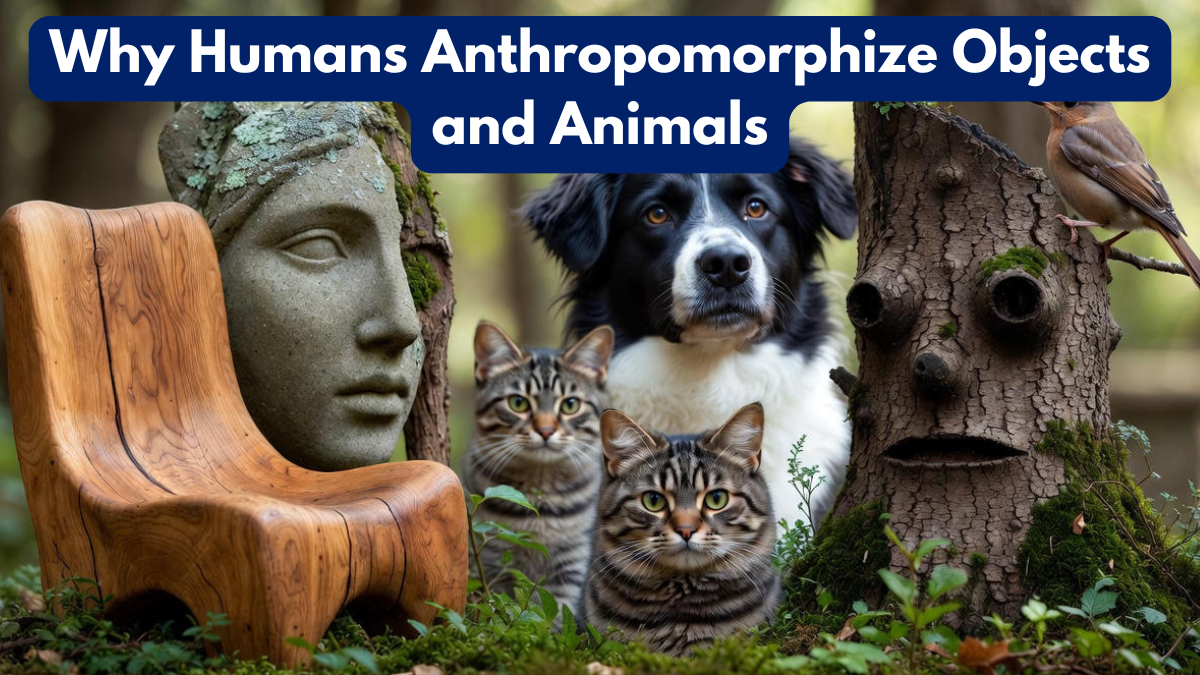
Anthropomorphism is the human tendency to attribute human traits, emotions, intentions, or personalities to non-human entities such as animals, objects, or even abstract concepts. People name their cars, talk to household appliances, feel sympathy for animated characters, and assume pets understand complex emotions. This behavior is not childish or irrational; it is a natural extension of Human perception. The human mind is designed to interpret the world socially, and this social lens often extends beyond people. Understanding why Anthropomorphism occurs reveals how deeply social thinking shapes perception, emotion, and meaning in everyday life.
The Cognitive Roots of Anthropomorphism
The foundation of Anthropomorphism lies in the way Human perception evolved. Humans are exceptionally skilled at reading faces, intentions, and emotions because social survival depended on it. The brain is constantly scanning for agency, meaning it looks for signs of intention or awareness in the environment. When something moves, reacts, or appears expressive, the brain instinctively applies human-like explanations. This cognitive shortcut helps people make sense of complex or uncertain situations quickly, even when the source is non-human.
Emotional Connection and Psychological Comfort
Anthropomorphism also serves an emotional function. Assigning human qualities to objects or animals creates emotional connection and comfort. Human perception seeks relationship and familiarity, especially during stress or loneliness. Talking to a pet, a plant, or even an object provides emotional reassurance and reduces feelings of isolation. When objects feel responsive or caring, they become emotionally meaningful. This explains why people feel attachment to items with faces, voices, or personalities, even when they logically know these traits are imagined.
Anthropomorphism in Animals and Nature
Animals are especially prone to Anthropomorphism because they display behaviors humans can easily relate to. Facial expressions, body language, and vocalizations resemble human emotional cues. Human perception fills in the gaps, interpreting animal behavior through a human emotional framework. While this can increase empathy and care for animals, it can also lead to misunderstanding their actual needs. Nevertheless, this tendency strengthens emotional bonds between humans and animals, reinforcing caregiving behavior and moral concern.
| Non-Human Target | Human Trait Assigned | Reason for Anthropomorphism |
|---|---|---|
| Pets | Love, jealousy | Emotional expressiveness |
| Objects | Loyalty, frustration | Familiar interaction |
| Technology | Intelligence, intention | Responsive behavior |
| Nature | Anger, kindness | Emotional interpretation |
This table shows how Anthropomorphism operates through Human perception across different non-human targets.
Technology and Modern Anthropomorphism
Modern technology has intensified Anthropomorphism. Voice assistants, chatbots, and robots are intentionally designed to trigger Human perception of personality and intention. When technology responds conversationally, people instinctively treat it as socially aware. Designers leverage anthropomorphic features to increase trust, usability, and emotional engagement. This interaction blurs the boundary between human and machine, making anthropomorphism a practical tool rather than a mere cognitive quirk.
Cultural and Social Influences on Anthropomorphism
Culture shapes how Anthropomorphism is expressed. Some cultures encourage animistic views, where objects and natural elements are believed to have spirits or intentions. Others express anthropomorphism through storytelling, media, and symbolism. Human perception adapts to these cultural frameworks, influencing how people interpret non-human entities. Shared stories and characters reinforce anthropomorphic thinking, making it a socially learned behavior as much as a cognitive one.
When Anthropomorphism Becomes Misleading
While Anthropomorphism helps people connect emotionally, it can sometimes distort understanding. Over-attributing human motives can lead to misjudging animal behavior, misusing technology, or forming unrealistic expectations. Human perception prioritizes emotional meaning over accuracy, which can create confusion when non-human systems do not behave as imagined. Recognizing anthropomorphism allows individuals to enjoy emotional connection while maintaining realistic understanding.
Conclusion
Anthropomorphism is a natural outcome of Human perception, shaped by social cognition, emotional needs, and cultural influence. By projecting human qualities onto objects, animals, and technology, people create connection, comfort, and meaning in their environment. While this tendency can occasionally mislead, it also enriches emotional life and strengthens empathy. Understanding anthropomorphism helps explain why humans relate to the world not just as observers, but as social participants in a deeply interconnected experience.
FAQs
What is anthropomorphism?
Anthropomorphism is the tendency to attribute human traits or emotions to non-human entities through Human perception.
Why do humans anthropomorphize animals?
Animals display behaviors that align with Human perception, making emotional interpretation natural and intuitive.
Is anthropomorphism a cognitive bias?
Yes, Anthropomorphism is a cognitive tendency rooted in social thinking and pattern recognition.
Can anthropomorphism affect decision-making?
Yes, strong Anthropomorphism can influence emotional judgments and expectations if not balanced with rational understanding.
Click here to know more.