Global supply chains have grown increasingly complex, spanning multiple countries, vendors, and regulatory environments. This complexity has made it difficult for businesses to maintain visibility, ensure authenticity, and respond quickly to disruptions. Issues such as data silos, manual recordkeeping, and lack of accountability weaken trust among stakeholders. In response to these challenges, the blockchain supply chain model has emerged as a transformative solution, offering decentralized data sharing, improved traceability, and stronger coordination across the entire supply network. As digital transformation accelerates, logistics blockchain adoption is becoming a strategic priority for modern enterprises.
Understanding Blockchain Supply Chain Systems
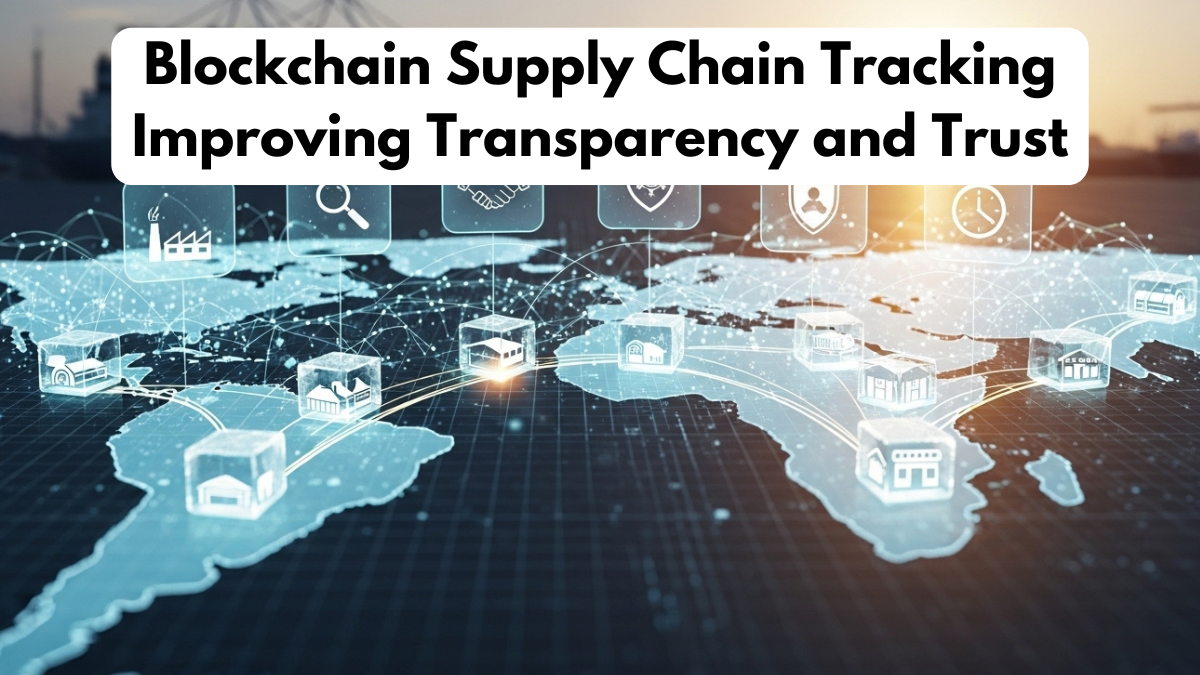
A blockchain supply chain uses distributed ledger technology to record transactions and movements of goods in a secure, immutable manner. Every participant in the supply chain accesses a shared version of the truth, reducing discrepancies and disputes. Unlike traditional databases, blockchain records cannot be altered retroactively, which strengthens trust and accountability. This approach enables real-time traceability, allowing companies to track products from raw material sourcing to final delivery.
By integrating logistics blockchain solutions, organizations gain greater control over inventory, documentation, and compliance processes. Each transaction is timestamped and verified, creating a transparent audit trail that supports operational efficiency and risk mitigation. As a result, the blockchain supply chain becomes more resilient to fraud, counterfeiting, and operational errors.
Role of Traceability in Logistics Blockchain
Traceability is one of the most valuable benefits of a blockchain supply chain. Knowing where a product comes from, how it was handled, and who interacted with it is essential for quality assurance and regulatory compliance. Logistics blockchain platforms enable end-to-end visibility by capturing data at every stage of the supply chain. This capability is particularly important in industries such as food, pharmaceuticals, and manufacturing, where safety and authenticity are critical.
Enhanced traceability allows businesses to respond quickly to recalls, verify ethical sourcing, and meet sustainability goals. Consumers also benefit by gaining access to product histories, which builds trust and brand loyalty. Through blockchain supply chain adoption, traceability becomes a built-in feature rather than a costly afterthought.
Operational Benefits for Global Supply Networks
The integration of blockchain supply chain solutions delivers measurable operational advantages across logistics operations. By automating data sharing and verification, companies reduce administrative overhead and eliminate delays caused by manual reconciliation. Logistics blockchain systems also improve collaboration by aligning incentives and expectations among suppliers, distributors, and retailers.
Key operational benefits include:
- Faster transaction settlement
- Reduced paperwork and manual errors
- Improved inventory accuracy
- Enhanced supplier accountability
These efficiencies strengthen overall supply chain performance while reinforcing traceability and transparency through the blockchain supply chain framework.
Comparison of Traditional vs Blockchain-Enabled Supply Chains
The table below illustrates how a blockchain supply chain compares with traditional supply chain systems in terms of transparency, efficiency, and traceability:
| Aspect | Traditional Supply Chain | Blockchain Supply Chain |
|---|---|---|
| Data Storage | Centralized databases | Distributed ledger |
| Transparency | Limited visibility | Shared real-time access |
| Traceability | Manual tracking | Automated end-to-end tracking |
| Fraud Risk | Higher vulnerability | Reduced through immutability |
| Dispute Resolution | Time-consuming | Faster and data-driven |
This comparison highlights why logistics blockchain adoption is accelerating across industries seeking reliability and trust.
Industry Adoption and Real-World Use Cases
Industries worldwide are implementing blockchain supply chain solutions to address long-standing inefficiencies. In logistics, companies use logistics blockchain platforms to streamline shipping documentation and customs clearance. In retail, brands leverage traceability to verify product origins and combat counterfeiting. Manufacturing firms use blockchain to coordinate complex supplier networks and ensure compliance with quality standards.
As adoption grows, interoperability and standardization are becoming key focus areas. Collaborative initiatives among industry players are helping scale blockchain supply chain solutions across borders. These efforts strengthen ecosystem-wide trust and accelerate digital transformation within global trade networks.
Challenges and Implementation Considerations
Despite its benefits, implementing a blockchain supply chain requires careful planning. Integration with legacy systems, data governance, and scalability are common challenges. Organizations must also ensure that all participants in the supply chain are willing and able to adopt logistics blockchain technologies. Clear governance frameworks and shared incentives are essential for successful deployment.
Education and change management play a crucial role in overcoming resistance. When stakeholders understand the value of traceability and transparency, adoption becomes smoother and more sustainable.
Conclusion: The Future of Blockchain Supply Chain Transparency
In conclusion, the blockchain supply chain model represents a fundamental shift in how goods are tracked, verified, and managed across global networks. By enhancing traceability and enabling secure data sharing through logistics blockchain solutions, organizations can build trust, reduce risk, and improve operational efficiency. As technology matures and adoption expands, blockchain supply chain systems will become a cornerstone of transparent, resilient, and future-ready supply chains.
FAQs
What is a blockchain supply chain?
A blockchain supply chain uses distributed ledger technology to track and record supply chain transactions securely and transparently.
How does logistics blockchain improve traceability?
Logistics blockchain captures data at every stage of product movement, enabling real-time end-to-end traceability.
Which industries benefit most from blockchain supply chain solutions?
Industries such as logistics, food, pharmaceuticals, manufacturing, and retail benefit significantly from improved transparency and traceability.
Are blockchain supply chain systems secure?
Yes, blockchain supply chain systems use cryptographic security and immutability to protect data from tampering.
Click here to know more.