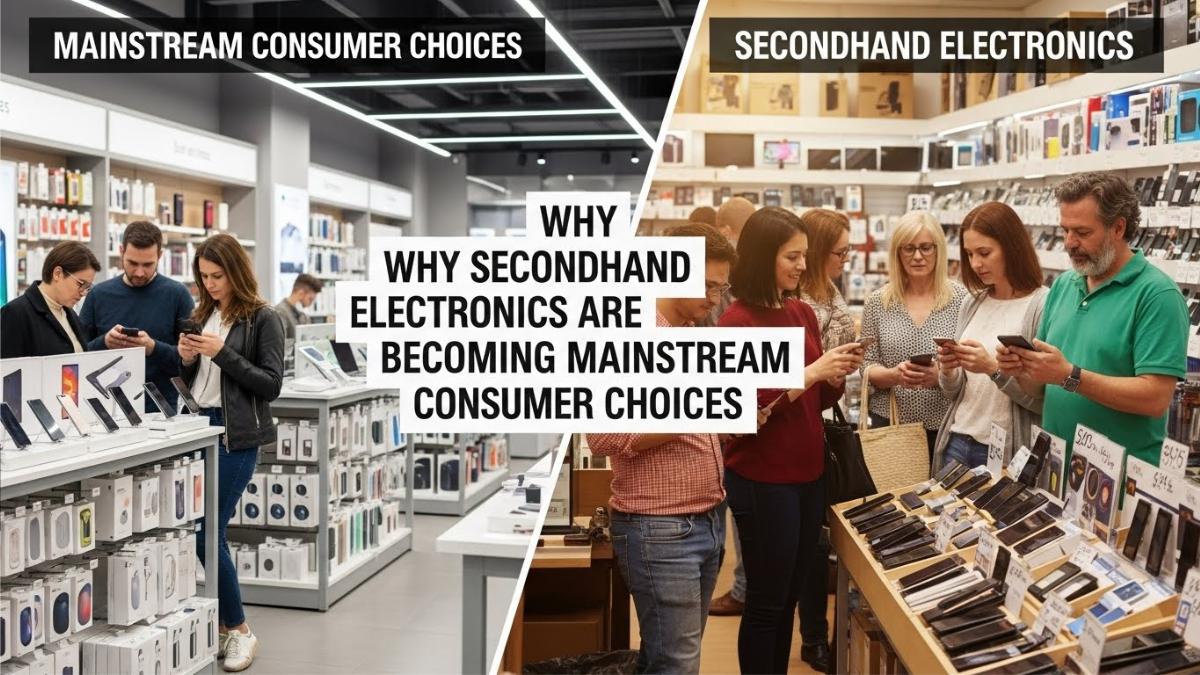
The market for secondhand electronics has experienced a remarkable transformation in recent years, shifting from a niche option to a mainstream consumer choice. Rising prices of new gadgets, faster product upgrade cycles, and increasing environmental awareness have all contributed to this change. Consumers are no longer viewing used technology as inferior; instead, secondhand electronics are being recognized for their reliability, value, and positive environmental impact. In 2026, the appeal of refurbished devices, combined with a strong focus on sustainability and tangible cost savings, is redefining how people purchase and use electronic products.
Refurbished Devices and the Shift in Consumer Trust
One of the biggest drivers behind the popularity of secondhand electronics is the improved quality and transparency of refurbished devices. Unlike informal resale markets of the past, today’s refurbished products undergo professional testing, repairs, and certification. This has significantly increased consumer confidence. Refurbished devices often come with warranties, quality checks, and return policies, making them a reliable alternative to new products. As trust grows, secondhand electronics are increasingly seen as smart purchases rather than compromises.
Sustainability and the Environmental Impact of Secondhand Electronics
Environmental sustainability plays a crucial role in the growing demand for secondhand electronics. Electronic waste is one of the fastest-growing waste streams globally, and extending the life cycle of devices directly reduces landfill pressure. Choosing refurbished devices lowers the demand for raw materials, reduces energy consumption, and minimizes carbon emissions associated with manufacturing. For environmentally conscious consumers, sustainability is no longer optional, and secondhand electronics provide a practical way to align purchasing decisions with ecological values.
- Reduced electronic waste
- Lower carbon footprint from manufacturing
- Conservation of rare earth materials
- Support for circular economy practices
Cost Savings Driving the Popularity of Secondhand Electronics
The financial benefits of secondhand electronics are a major factor influencing purchasing decisions. New devices often come with premium pricing that many consumers find difficult to justify. In contrast, refurbished devices offer comparable performance at significantly lower prices. These cost savings allow consumers to access higher-end models within their budget. For students, small businesses, and families, cost savings make secondhand electronics an economically responsible choice without sacrificing functionality.
The table below highlights the financial comparison between new and refurbished electronics:
| Device Type | New Product Cost | Refurbished Device Cost | Average Cost Savings |
|---|---|---|---|
| Smartphone | High | Medium | 30–50% |
| Laptop | High | Medium | 25–45% |
| Tablet | Medium | Low | 20–40% |
| Smartwatch | Medium | Low | 20–35% |
| Gaming console | High | Medium | 25–40% |
This comparison demonstrates why cost savings are accelerating the adoption of secondhand electronics.
How Consumer Behavior Is Normalizing Secondhand Electronics
Consumer attitudes toward ownership are evolving rapidly. Younger buyers, in particular, prioritize access and value over owning the latest model. This mindset supports the growth of secondhand electronics as socially acceptable and even preferable options. Online marketplaces and certified retailers make refurbished devices easy to purchase and return, further normalizing their use. As sustainability becomes a shared social value, choosing secondhand electronics is increasingly viewed as a responsible and informed decision.
Challenges and Misconceptions Around Secondhand Electronics
Despite their advantages, secondhand electronics still face misconceptions related to durability and performance. Some consumers worry about battery life, outdated software, or limited support. However, advancements in refurbishment processes have addressed many of these concerns. Certified refurbished devices now undergo strict testing and software updates, reducing perceived risks. Educating consumers about these improvements is essential to overcoming lingering doubts and expanding adoption.
Conclusion: Secondhand Electronics as a Smart and Sustainable Choice
The rise of secondhand electronics reflects a broader shift toward conscious consumption. With reliable refurbished devices, meaningful cost savings, and strong environmental sustainability benefits, used technology is no longer a second-best option. Instead, it represents a balanced approach to modern consumption that benefits both consumers and the planet. As awareness grows and quality standards improve, secondhand electronics are set to remain a permanent fixture in mainstream consumer markets.
FAQs
What are secondhand electronics?
Secondhand electronics are previously owned devices that are resold, often after testing or refurbishment to ensure functionality.
Are refurbished devices reliable?
Yes, certified refurbished devices undergo quality checks, repairs, and testing to meet performance standards.
How do secondhand electronics support sustainability?
They reduce electronic waste, conserve resources, and lower emissions, contributing to environmental sustainability.
Do secondhand electronics really offer cost savings?
Significant cost savings are possible, often ranging from 20% to 50% compared to new products.
Who should consider buying secondhand electronics?
Anyone seeking reliable technology, environmental responsibility, and financial value can benefit from secondhand electronics.
Click here to know more.