Air travel has become one of the safest forms of transportation because of constant advancements in security infrastructure and passenger screening systems. Understanding airport security scanning technology helps explain how airports detect threats, prevent unauthorized access, and maintain passenger safety every day. Modern airports process millions of travelers annually, making security systems essential for preventing dangerous items, smuggling activities, and security breaches. From baggage inspection to biometric identification, airports rely heavily on advanced digital systems to monitor every stage of passenger movement.
Today’s baggage scanners and intelligent airport systems are far more sophisticated than earlier screening technologies. Airports now use artificial intelligence, 3D imaging, explosive detection systems, and biometric verification tools to improve both safety and efficiency. As global travel increases, the importance of airport security scanning technology continues growing because airports must balance rapid passenger processing with strict security standards. Modern security infrastructure is designed not only to detect threats but also to minimize delays and improve the travel experience.
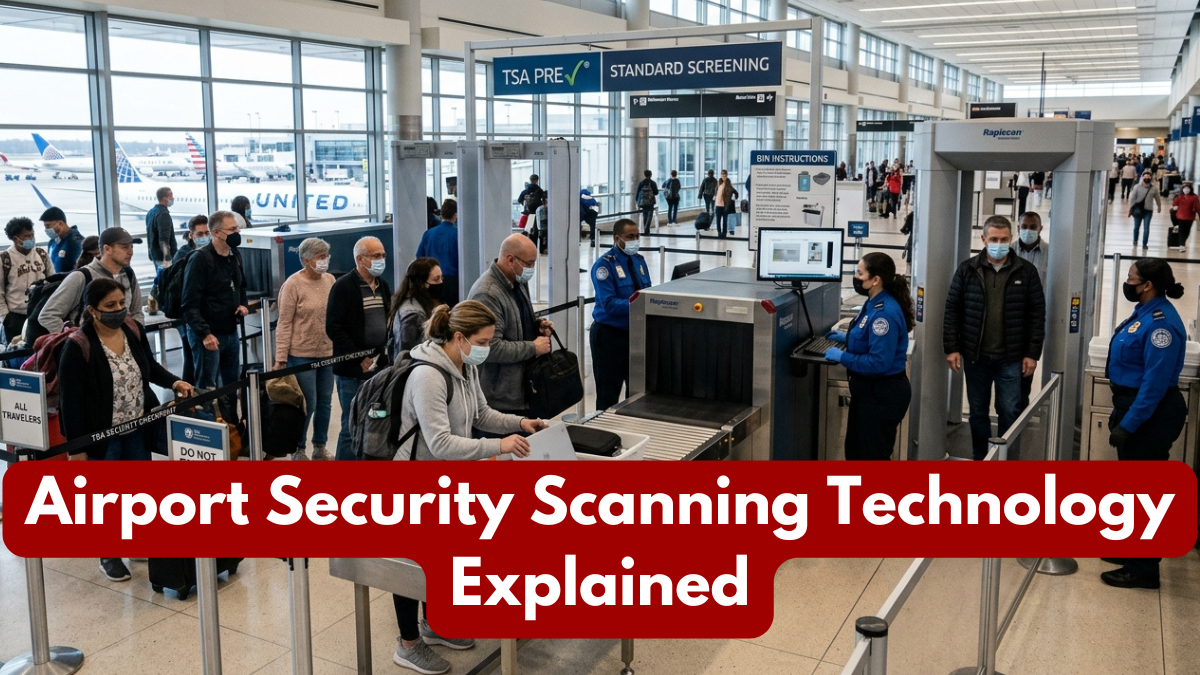
How Airport Security Scanning Technology Works
The main goal of airport security scanning technology is to detect prohibited items, identify suspicious activity, and maintain safe airport operations. Airports use multiple security layers to screen passengers, luggage, cargo, and staff before allowing access to restricted areas.
Modern airport systems combine physical inspection methods with digital monitoring technologies. Security checkpoints typically include metal detectors, body scanners, document verification systems, and advanced baggage scanners capable of detecting concealed objects inside luggage.
Key airport security components include:
- Passenger identity verification
- Carry-on baggage inspection
- Checked luggage screening
- Explosive detection systems
- Biometric access control
- Surveillance monitoring
- AI-powered threat analysis
- Cargo inspection systems
One major reason airport security scanning technology is so effective is because airports use overlapping security measures. Even if one system misses a threat, additional screening layers provide backup protection.
Modern airport systems are also increasingly automated. Artificial intelligence can now analyze scanner images, identify unusual objects, and alert security staff more quickly than traditional manual inspections. This combination of automation and human oversight strengthens overall airport security operations.
Types of Baggage Scanners Used in Airports
Modern airports rely heavily on advanced baggage scanners to inspect passenger luggage without opening bags manually. These systems use X-rays, computed tomography, and artificial intelligence to detect suspicious materials and hidden objects.
The following table explains major types of airport scanning systems and their purposes:
| Scanning Technology | Main Function | Common Airport Use |
|---|---|---|
| X-Ray Scanners | Detect objects inside bags | Carry-on baggage inspection |
| CT Scanners | Create 3D luggage images | Advanced baggage analysis |
| Explosive Detection Systems | Identify explosive materials | Checked baggage screening |
| Millimeter Wave Scanners | Passenger body scanning | Security checkpoints |
| Biometric Scanners | Identity verification | Border and gate access |
| AI Threat Detection Systems | Automated risk analysis | Real-time security monitoring |
Modern baggage scanners can produce highly detailed images that help security officers identify dangerous items quickly. CT scanners are particularly important because they create three-dimensional images, allowing operators to rotate and inspect luggage contents from different angles.
Another major aspect of airport security scanning technology is automated threat recognition software. AI-powered systems can compare scanned objects against threat databases and highlight suspicious items for additional inspection.
Many advanced airport systems also use remote image analysis centers where trained operators monitor scanner images from centralized control rooms. This improves screening consistency and reduces checkpoint delays.
The Role of Artificial Intelligence in Airport Systems
Artificial intelligence is becoming one of the most important developments in modern airport security scanning technology. AI systems help airports process large passenger volumes more efficiently while improving threat detection accuracy.
Modern AI-powered airport systems can:
- Detect suspicious objects automatically
- Analyze passenger movement patterns
- Monitor crowd behavior
- Improve facial recognition accuracy
- Reduce false security alerts
- Speed up baggage screening processes
One major advantage of AI-assisted baggage scanners is improved image analysis. Human operators may become fatigued after reviewing thousands of bags daily, but AI systems can continuously scan for suspicious patterns without losing efficiency.
Another growing area in airport security scanning technology involves predictive security analysis. Some systems analyze passenger travel behavior, booking patterns, and identification data to identify potential security risks before passengers even arrive at checkpoints.
Biometric verification is also expanding rapidly within modern airport systems. Facial recognition, fingerprint scanning, and iris recognition technologies are increasingly used for boarding, immigration processing, and restricted-area access control.
As airports continue modernizing, AI integration is expected to become even more central to future aviation security strategies.
Security Challenges Airports Face Today
Despite major advancements in airport security scanning technology, airports continue facing evolving threats and operational challenges. Criminal organizations constantly attempt to bypass security systems using new concealment methods and smuggling techniques.
Modern airport security challenges include:
- Concealed prohibited items
- Cybersecurity threats
- Fake identification documents
- Smuggling operations
- Drone-related security risks
- Insider security threats
One major issue affecting airport systems is balancing security with passenger convenience. Airports must process thousands of travelers quickly without compromising safety standards. Long delays and crowded checkpoints can create operational problems and reduce traveler satisfaction.
Another challenge in airport security scanning technology involves detecting non-metallic threats. Traditional metal detectors may not identify plastic explosives or advanced concealed weapons, which is why modern baggage scanners use advanced imaging technologies.
Cybersecurity is also becoming increasingly important in airport operations. Many modern airport systems rely on digital networks, automated infrastructure, and cloud-based communication systems. Protecting these systems from hacking attempts is now a major priority.
Airports are also adapting to the growing use of drones near restricted airspace. Some facilities now use anti-drone detection systems integrated into broader airport security networks.
The Future of Airport Security Technology
The future of airport security scanning technology will likely involve faster automation, contactless screening, and more advanced AI integration. Airports are investing heavily in smart infrastructure designed to improve security while reducing passenger wait times.
Future airport security innovations may include:
- Fully automated screening checkpoints
- AI-powered behavior analysis
- Touchless biometric boarding
- Smart luggage tracking systems
- Advanced chemical detection sensors
- Integrated drone defense systems
One major trend in future airport systems is seamless passenger processing. Some airports are developing systems where passengers move through checkpoints without repeatedly presenting boarding passes or identification documents.
Advanced baggage scanners are also expected to become more accurate and efficient. New scanner designs may allow passengers to leave electronics and liquids inside bags during screening, significantly speeding up checkpoint operations.
Another important development in airport security scanning technology involves cloud-connected security platforms. These systems allow airports, airlines, and security agencies to share real-time threat information across global networks.
As international travel continues growing, airports will increasingly depend on smart automation and advanced digital security infrastructure to maintain safe operations.
Conclusion
Understanding airport security scanning technology reveals how modern airports combine advanced imaging systems, artificial intelligence, biometric verification, and intelligent surveillance to maintain passenger safety. Today’s baggage scanners and integrated airport systems play a critical role in detecting threats, preventing unauthorized access, and supporting efficient airport operations.
Although aviation security challenges continue evolving, airports constantly upgrade their technologies to address emerging risks and improve operational performance. As AI, automation, and biometric systems become more advanced, the future of airport security scanning technology will likely focus on creating faster, smarter, and more secure travel experiences worldwide.
FAQ
What is airport security scanning technology?
Airport security scanning technology refers to the systems and equipment used to inspect passengers, luggage, cargo, and airport areas for potential threats.
How do baggage scanners work?
Modern baggage scanners use X-rays, CT imaging, and AI analysis to detect concealed items inside luggage without opening bags manually.
Why are airport systems important for security?
Advanced airport systems help airports monitor passengers, control restricted access, detect threats, and maintain safe operations efficiently.
What technologies are used in airport security checkpoints?
Airports use metal detectors, body scanners, biometric verification systems, explosive detection devices, and advanced baggage screening equipment.
Can airport scanners detect explosives?
Yes, many modern baggage scanners and explosive detection systems are specifically designed to identify explosive materials and suspicious substances.
How is artificial intelligence used in airport security?
AI helps analyze scanner images, detect suspicious behavior, improve facial recognition, and automate threat detection within modern airport systems.
Click here to know more.